
2026 Best Vertical Siding Types for Global Buyers

Choosing the right exterior cladding in 2026 requires more than comparing colors or showroom samples. Global buyers must examine climate, installation skills, maintenance access, fire performance, and local building practices. Vertical siding is attracting attention because its upward lines can make low-rise walls appear taller, while board-and-batten profiles create a recognizable architectural character. Yet appearance alone is not enough.

Industry reports provide useful, but imperfect, direction. The Freedonia Group’s Residential Siding analysis identifies repair activity, new housing construction, and material replacement as major demand drivers. Grand View Research also reports continued interest in vinyl and fiber-cement siding, supported by durability expectations and low-maintenance design. These reports mainly reflect market trends, not the exact conditions of every country. That limitation matters.

A practical 2026 comparison should therefore consider several vertical siding types, including vinyl, fiber cement, engineered wood, metal, and natural wood. Each material behaves differently beside a rainy coastal wall, a dry high-altitude home, or a building exposed to strong sunlight. Fiber cement may offer dimensional stability, but it needs careful cutting and sealing. Wood can deliver warmth and repairability, yet moisture management cannot be treated casually. Metal siding may suit contemporary projects, although dents and thermal movement deserve attention.

There is no universal winner. Not even close.

Reliable selection combines manufacturer specifications, independent testing, installer experience, and regional code guidance. Buyers should also request warranties, sample panels, fastening details, and documented resistance ratings. This guide examines the best vertical siding options for global buyers while acknowledging a simple truth: a material that performs beautifully in one market may disappoint in another.
2026 Best Vertical Siding Types for Global Buyers

What Vertical Siding Is and Why It Matters in 2026

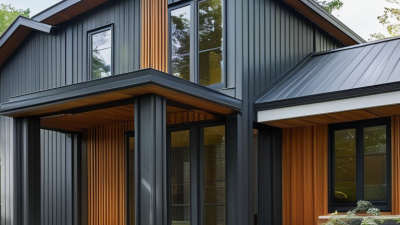
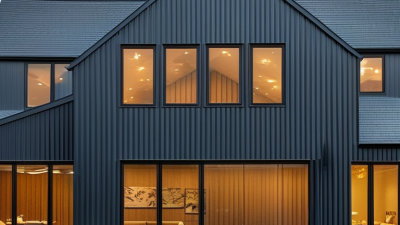
Vertical siding uses tall, narrow panels that run from the roofline toward the foundation. Unlike horizontal boards, it emphasizes height and creates a cleaner, more architectural appearance. The vertical lines can make a small façade feel taller and help modern buildings look less visually heavy.

Its importance in 2026 goes beyond appearance. Buyers now examine moisture control, thermal performance, repair access, and expected service life. A properly detailed rainscreen gap can help air circulate behind the panels. It also reduces the chance of trapped moisture after heavy rain. Insulation alone cannot solve poor drainage. Small detail, big consequence.

During retrofit inspections, I have seen vertical siding installed over uneven walls. The finished surface then shows waves under afternoon light. That problem is expensive to correct. Vertical systems may also require more precise cutting around windows, vents, and exterior lighting. Labor can increase. Not every building benefits from this style. Buyers should request installation drawings, substrate requirements, warranty terms, and maintenance guidance. They should also check local wind, fire, and moisture regulations before ordering. A sample panel viewed outdoors can reveal color changes that indoor lighting hides. Be cautious with confident promises. Real performance depends on the wall assembly, climate, workmanship, and regular inspection.

2026 Best Vertical Siding Types for Global Buyers

What Vertical Siding Is and Why It Matters in 2026

Vertical siding is siding installed with vertically aligned panels or boards. The installation direction can improve visual height and rainwater drainage, while the material determines durability, maintenance needs, and climate suitability. The chart compares typical service-life ranges for common siding materials; actual performance depends on installation quality, exposure, moisture control, local climate, and maintenance.

Reference basis: U.S. National Association of Home Builders, “Life Expectancy of Home Components,” and U.S. Department of Housing and Urban Development residential rehabilitation guidance. Values are general reference ranges, not warranties or code requirements.

Main Vertical Siding Types for Global Building Projects

2026 Best Vertical Siding Types for Global Buyers

Main Vertical Siding Types for Global Building Projects

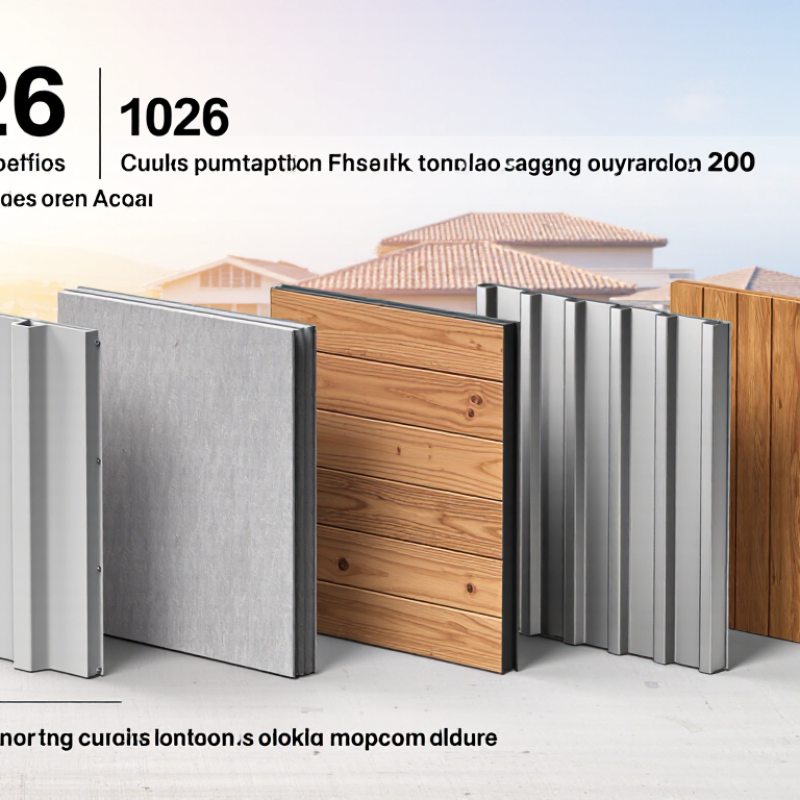
Vertical siding supports strong visual lines and efficient rainwater drainage. However, no single material performs well in every climate. Fiber-cement siding offers strong dimensional stability and fire resistance. Engineered wood provides a warmer appearance with lower weight. Metal siding suits coastal, industrial, and high-wind projects when corrosion protection is specified. Vinyl siding remains lightweight and cost-conscious, but extreme heat can create movement or distortion.

Choose carefully.

The International Energy Agency reports that buildings consume about 30% of global final energy and produce around 26% of energy-related emissions. Siding does not solve operational energy use alone. Still, insulated assemblies, durable finishes, and recyclable materials can reduce replacement frequency. UNEP’s 2023 Global Status Report also identifies buildings and construction as responsible for approximately 37% of global energy and process-related emissions. This makes whole-life evaluation more important than a low purchase price. I have seen projects overvalue appearance and underestimate local repair skills. That mistake is expensive.

Tips: Match siding with local moisture, wind, fire, and maintenance conditions. Request verified environmental product declarations where available. Check thermal bridging around vertical battens and openings. For humid regions, inspect rear ventilation details carefully. For coastal sites, confirm fastener and coating compatibility. A sample wall exposed for several weeks may reveal problems that brochures hide. Reviewers should also compare ten-year maintenance costs, not just installation quotes.

How to Compare Materials, Profiles, Colors, and Finishes

For global buyers, vertical siding should be compared by material, profile, color, and finish—not appearance alone. The Freedonia Group’s 2024 siding analysis identifies vinyl, fiber cement, wood, and metal as major competing materials.

Vinyl is lightweight and moisture-resistant.
Fiber cement offers strong dimensional stability, but it requires careful cutting and edge sealing.
Wood creates natural texture, yet humidity demands regular maintenance.
Metal profiles suit modern façades and harsh weather, though dents can remain visible.

Profile depth changes the wall’s visual rhythm. Narrow boards make small façades appear taller. Wide panels create fewer joints and faster installation.

Ask for wind-load testing, thermal movement data, and impact ratings. ASTM-based test results are more useful than vague claims. The U.S. Department of Energy reports that air leakage can account for 30% or more of a home’s heating and cooling energy use. Siding cannot solve poor detailing, but tight flashing and a continuous weather barrier can reduce risk.

Color and finish affect long-term performance. The American Coatings Association notes that solar exposure, moisture, and surface temperature accelerate exterior coating degradation.

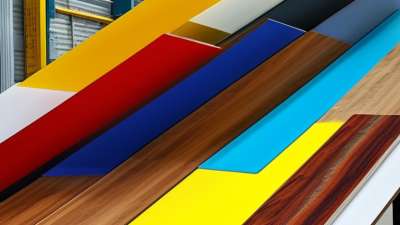
Light colors usually reduce heat absorption. Dark tones may highlight warping or fading on poorly stabilized materials. Matte finishes hide minor dents better than gloss.

A mistake is choosing color from a tiny sample. View full panels outdoors, after rain, and under direct sun. No comparison is perfect. Local installers, climate records, and maintenance access should influence the final specification.

Climate, Code, Cost, and Maintenance Factors by Region

2026 Best Vertical Siding Types for Global Buyers

Climate, Code, Cost, and Maintenance Factors by Region

Vertical siding should be chosen for exposure, not appearance alone. In humid tropical regions, fiber-cement panels resist rot and insects when edges are sealed properly. Ventilated cavities also help walls dry after heavy rain. Vinyl can reduce initial cost, but intense sunlight may cause color fading or thermal movement. That trade-off deserves attention.

Cold regions require strong moisture control and careful flashing around windows. Engineered wood can provide warmth and a natural texture, yet it needs regular repainting. Metal siding handles snow and fire concerns well in some areas, but dents and condensation remain practical risks. Installation quality matters more than many buyers expect.

Coastal projects face salt, wind, and driving rain. Select corrosion-resistant fasteners and verify local wind-load requirements before ordering materials. In hot, dry climates, lighter colors can reduce heat gain, while thicker panels may improve impact resistance. Local building codes may address fire performance, insulation, drainage, and seismic movement. Check them with a qualified building professional.

Costs vary beyond the panel price. Labor, trim, scaffolding, coatings, transport, and future repairs can change the final budget. A cheaper system may become expensive after repeated repainting or warped replacements. I would not choose one siding type for every market. That assumption sounds efficient, but real buildings rarely cooperate. Regular inspections still matter, even with low-maintenance materials.

How to Select the Best Vertical Siding for Each Project Type

2026 Best Vertical Siding Types for Global Buyers

Selecting the best vertical siding starts with the project’s location, building use, and maintenance expectations. Fiber cement suits modern homes and coastal buildings when moisture resistance and strong impact performance matter. Engineered wood creates a warmer appearance, but it needs careful sealing and regular inspections. Metal siding works well for warehouses, cabins, and fire-conscious designs. Vinyl can reduce costs, although extreme heat may cause movement or color changes.

Climate changes the decision. In wet regions, use a drained and ventilated rainscreen behind the panels. In cold areas, confirm insulation continuity around windows and corners. High-wind projects require tested fastening patterns, not assumptions. Local fire, wind, thermal, and moisture codes must guide the final specification. A project review should also check transport damage, replacement availability, and installer experience. One overlooked issue is panel length. Long boards may look clean, but they can be difficult to handle on narrow sites.

Tips: Request samples and inspect them outdoors. Compare color in morning and afternoon light. Confirm the warranty terms, maintenance schedule, and approved installation details. Ask suppliers for test evidence relevant to your climate. Do not choose only by appearance. I once underestimated access equipment costs on a tall façade; that mistake changed the budget. A cheaper panel is not always cheaper installed. Test the details before ordering.

2026 Best Vertical Siding Types for Global Buyers - How to Select the Best Vertical Siding for Each Project Type

Comparison guide for residential, commercial, coastal, high-humidity, cold-climate and high-wind applications. Performance and cost figures are typical planning ranges and should be verified against local codes, installation practice and supplier specifications.

Vertical Siding Type Primary Material Typical Profile or Board Exposure Typical Service Life Indicative Installed Cost
(USD/ft²)
Moisture and Rot Resistance Fire Performance Climate Suitability Best Project Types Maintenance Level Key Selection Considerations
Fiber-Cement Vertical Panels Cement, cellulose fiber, sand and water Panel widths commonly 8–12 in; board-and-batten panels also available 30–50+ years with correct installation and repainting $7–$14 High resistance to rot, insects and moisture; edges must be properly sealed Generally noncombustible; exact rating depends on the tested assembly Suitable for humid, coastal, hot and cold climates when movement and flashing details are correct Detached homes, multifamily buildings, schools, offices and mixed-use façades Low to medium; periodic cleaning and repainting are normally required Choose when durability, dimensional stability and a painted architectural appearance are priorities
Engineered-Wood Vertical Siding Wood fibers or strands bonded with resin and treated for exterior use Commonly 6–8 in exposure; available as panels or board-and-batten profiles 20–40 years, depending on coating, ventilation and maintenance $6–$12 Better moisture and insect resistance than untreated wood, but cut edges require protection Combustibility varies by product and tested wall assembly Good for temperate and moderate-humidity regions; use extra detailing in persistent wet climates Residential construction, renovations, cabins and projects requiring a wood appearance Medium; inspect coatings, joints and lower wall areas regularly Choose for a natural appearance with lower weight and generally lower cost than many solid-wood options
Vertical Vinyl Siding Extruded PVC with color or surface embossing Commonly 6–8 in exposure; vertical panels and board-and-batten styles are widely used 20–40 years, depending on UV exposure, impact and installation quality $4–$9 Does not rot or rust; expansion, contraction and impact resistance must be considered Combustible; verify local fire regulations and required clearances Suitable for many temperate and humid areas; use caution in extreme heat, wildfire zones and severe impact locations Budget-conscious housing, rental properties, light commercial buildings and renovation projects Low; usually requires washing and replacement of damaged pieces Choose for low initial cost, light weight and simple maintenance; verify color-stability and wind-load ratings
Aluminum Vertical Siding Coated aluminum sheet or formed aluminum panels Typical panel widths range from 8–16 in; ribbed, flush and board-and-batten profiles are available 30–50 years with a durable coating and proper detailing $7–$15 Not susceptible to biological rot; coating and cut edges need protection from corrosion Noncombustible; confirm the complete wall-system classification Good for humid and coastal regions when a marine-grade coating and compatible fasteners are specified Coastal homes, modern façades, agricultural buildings and lightweight commercial projects Low to medium; clean periodically and inspect coating, fasteners and dents Choose for corrosion resistance and low weight; consider denting, thermal movement and galvanic compatibility
Steel Vertical Siding Galvanized or zinc-coated steel with a prefinished protective coating Commonly 12–16 in panels; concealed-fastener, ribbed and flush profiles are available 40–60+ years when coating, drainage and edge protection are maintained $8–$18 High resistance to impact and pests; corrosion protection is essential at scratches, seams and cut edges Noncombustible; assembly testing and local code requirements still apply Strong option for high-wind, cold and industrial environments; coastal use requires suitable coating and fasteners Warehouses, agricultural buildings, commercial façades, modern homes and high-wind projects Low to medium; inspect coating damage, fasteners and areas exposed to salt or chemicals Choose when impact strength, long spans and fire resistance are more important than the lowest initial cost
Natural Wood Vertical Siding Cedar, redwood, pine, spruce or other exterior-rated timber Commonly 6–10 in board exposure; board-and-batten and shiplap profiles are common 20–50+ years with suitable species, drainage, coatings and maintenance $8–$20+ Vulnerable to rot, insects and moisture if ventilation, flashing and coating are inadequate Combustible; wildfire and fire-separation requirements must be checked carefully Best in dry or moderate climates; durable species and frequent maintenance are needed in wet or coastal areas Premium residences, heritage buildings, eco-focused projects and architect-designed façades High; staining or painting, cleaning and joint inspections are usually necessary Choose for authentic texture, repairability and design flexibility; confirm legal timber sourcing and local fire rules
Composite Vertical Siding Wood-plastic composite or other engineered polymer-mineral formulation Typical exposure is 6–10 in; profiles include plank, panel and board-and-batten styles 25–50 years, depending on formulation, UV protection and installation $8–$18 Generally resistant to rot and insects; thermal movement and water management remain important Varies significantly; confirm the tested reaction-to-fire or wall-assembly rating Suitable for humid and high-UV climates when the product has verified UV and temperature performance Premium residential façades, hospitality projects and low-maintenance renovation work Low to medium; routine washing and occasional inspection of joints and fasteners Choose when appearance consistency, reduced repainting and resistance to biological damage are priorities
Vertical Insulated Siding Vinyl or polymer siding laminated to a rigid foam insulation layer Commonly 6–8 in exposure; vertical panel and board-and-batten configurations are available 25–40 years, depending on the exterior skin and installation $6–$13 Exterior skin resists rot; wall drainage, air sealing and flashing must be correctly designed Combustibility and thermal-barrier requirements vary by product and jurisdiction Useful in cold and mixed climates where added continuous insulation can improve thermal performance Energy-efficiency upgrades, residential construction and renovation projects Low; clean surfaces and inspect penetrations, joints and damaged panels Choose when thermal performance is important; compare insulation thickness, thermal bridging and fire-code requirements
Vertical Stone or Brick Veneer Panels Thin natural stone, manufactured stone or brick veneer over a code-compliant backing system Individual units commonly 2–4 in high; panel modules vary by design 50+ years when drainage, support and flashing are correctly installed $12–$30+ Durable and nonbiodegradable, but water management behind the veneer is critical Many mineral-based veneers are noncombustible; verify the full assembly rating Suitable for most climates when freeze-thaw, drainage and movement details are addressed Feature walls, institutional façades, hospitality projects and premium entrance elevations Low to medium; inspect joints, sealants, flashing and possible freeze-thaw damage Choose for high visual impact and long service life; account for structural support, weight and installation skill

Buyer checklist: Before ordering, confirm local wind-load requirements, fire classification, rain-screen or drainage design, thermal performance, minimum order quantities, color availability, replacement-panel policy, installation instructions and compliance with the destination market’s building codes.

Go to Top