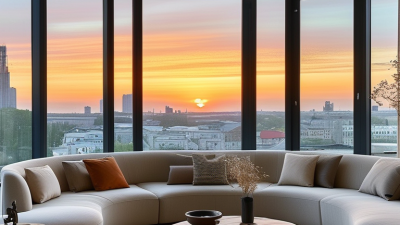

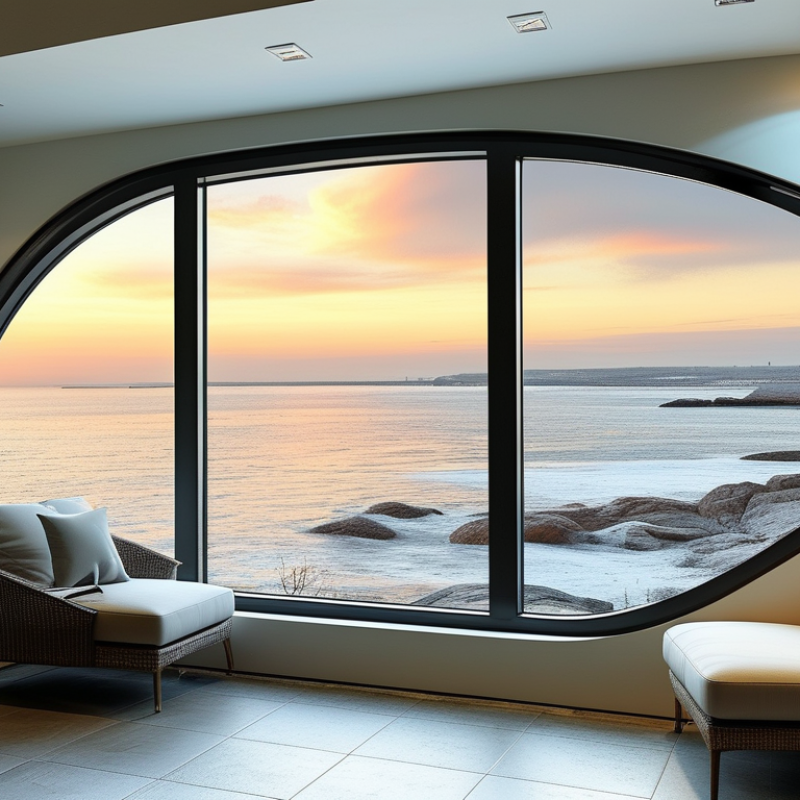
Bow windows are not one product type. For global buyers, the critical choice is projection, glazing, structure, and local code. Common layouts use fixed, casement, or double-hung panels. Fixed panels improve daylight; operable panels support purge ventilation.
Glazing changes performance sharply. Low-E double glazing suits many temperate projects, while triple glazing can reduce heat loss in cold zones. Yet solar gain may become uncomfortable in hot climates. The U.S. Department of Energy reports that windows can influence 25–30% of residential heating and cooling energy use.
ASTM E1300 is a glass-design standard, not a complete window approval. It helps determine glass thickness and resistance under specified wind loads. Ask for calculations covering each lite, edge support, and insulating-glass configuration.
ASTM E1300 alone does not prove the frame, anchor, or installation is safe. That distinction matters. Wind pressure rises on exposed towers, coastal sites, and building corners.
AAMA/FGIA performance guidance also evaluates air leakage, water penetration, and structural performance. Request test evidence, not only a marketing rating. Small omission, big risk.
Climate and code review should happen before drawings are frozen. Use ASHRAE climate zones and the local authority’s wind, impact, thermal, and egress requirements. Energy codes may require U-factor and solar heat gain coefficient limits.
NFRC rating data provides a consistent comparison method. Local code names differ. Buyers should confirm whether the bow assembly is site-built or factory-tested. That detail can change responsibility, tolerances, and documentation.
I would not select glass from U-factor alone. Condensation, glare, cleaning access, and emergency escape deserve equal attention.