What to Consider When Choosing a Sliding Back Door?
Choosing a sliding back door for your home is not just about aesthetics; it impacts functionality, security, and energy efficiency. Expert architect Sarah Thompson emphasizes, "A sliding back door must complement your lifestyle and environment." This statement highlights the need for careful consideration in the selection process.
Many homeowners overlook essential factors when choosing a sliding back door. Consider the size and layout of your space. The wrong dimensions can disrupt the flow of your home. Also, materials matter. Glass doors are beautiful but may not provide the insulation you need. Reflecting on personal experiences can guide you in making better choices.
Security features often get compromised for style. This is a mistake. Ensure the door has robust locks. Additionally, think about maintenance requirements. Some materials require more upkeep than others. A sliding back door should enhance your home, not add stress. Taking time to research and assess your options is vital for lasting satisfaction.
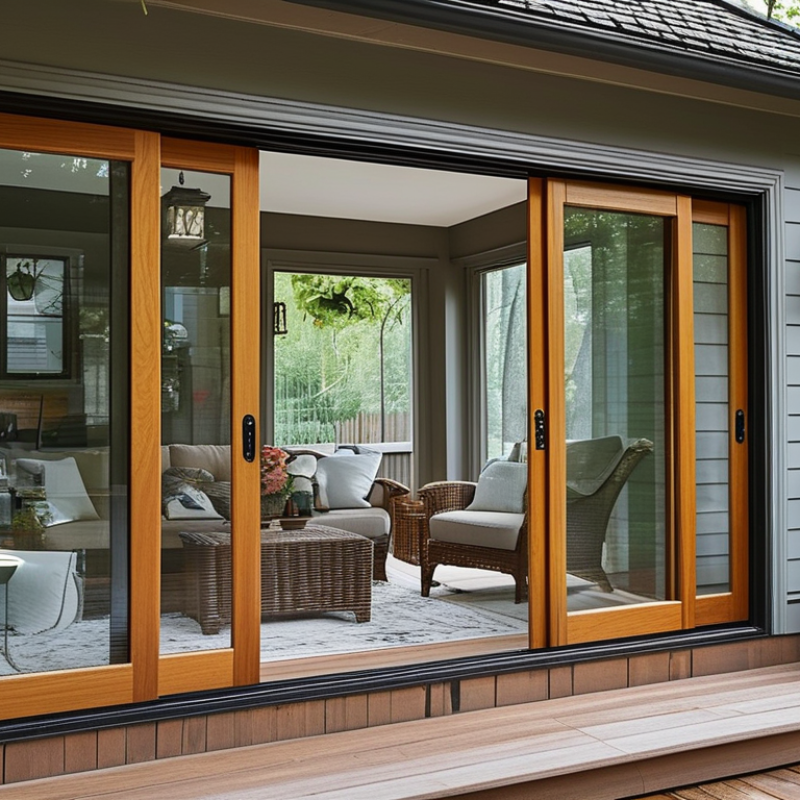
Factors to Evaluate Before Selecting a Sliding Back Door
Choosing a sliding back door involves several important considerations. First, assess the space and layout. Measure the width and height carefully. A poorly fitting door can lead to inefficiency. Consider the accessibility for people and pets. Ensure that it glides smoothly without obstruction.
Another crucial factor is the material. Common options include wood, vinyl, and aluminum. Each material has its own benefits and drawbacks. Wood offers warmth but requires maintenance. Vinyl is low-maintenance but may not fit all home styles. Aluminum is durable but can be less energy-efficient.
Tips: Look for adjustable rollers for smoother operation. Also, consider energy efficiency ratings. This will help you save on heating and cooling costs. Think about security features, too. A sliding door should provide safety, not just style.
Finally, consider aesthetics. The color and design of the door should complement your home’s exterior. A mismatched door can reduce curb appeal. Reflect on how it impacts your outdoor view. A well-chosen sliding door can enhance your living space and outdoor flow.
What to Consider When Choosing a Sliding Back Door?
| Factor |
Description |
Considerations |
| Material |
Common materials include vinyl, wood, and aluminum |
Durability and maintenance based on material choice |
| Energy Efficiency |
Look for doors with good insulation ratings |
Energy Star ratings can indicate efficiency |
| Size |
Ensure the door fits the designated opening |
Check standard dimensions or custom options |
| Security Features |
Consider locks, reinforced frames, and shatterproof glass |
Higher security features may increase costs |
| Style |
Choose a style that complements your home’s design |
Consider color, frame style, and glass options |
| Cost |
Factor in both upfront costs and long-term savings |
Compare different options to find your budget fit |
Types of Sliding Back Doors: Materials and Styles Overview
When considering sliding back doors, the choice of materials significantly influences aesthetics and functionality. Popular materials include vinyl, wood, aluminum, and fiberglass. According to a recent industry report, vinyl doors are noted for their energy efficiency, offering a 30% lower thermal conductivity compared to aluminum. This can result in noticeable savings on energy bills. On the other hand, wooden frames provide a classic, elegant look but require more maintenance. They are prone to warping and can suffer from moisture damage over time.
Styles of sliding back doors also play a crucial role in their utility. Standard sliding doors have two panels, which save space but limit opening size. French sliding doors, however, typically feature multiple panels and can offer a broader opening. A study from the National Association of Home Builders revealed that homes with larger glass doors often report 25% more satisfaction among homeowners. Aesthetic considerations come into play; clear glass offers unobstructed views, while frosted glass provides more privacy. Balancing visual appeal and practical needs is essential when selecting a style.
Energy Efficiency and Insulation Considerations for Sliding Doors
When selecting a sliding back door, energy efficiency is crucial. An energy-efficient door reduces heating and cooling costs. Look for doors with high insulation ratings. Double or triple-pane glass options can keep indoor temperatures stable. The right seals and weatherstripping improve performance by minimizing drafts.
Insulation matters because it impacts comfort and energy usage. Poorly insulated doors can lead to cold spots near the entrance. This can create uneven heating throughout your home. Check the frame material too; aluminum conducts heat. Vinyl or fiberglass frames often offer better insulation. Remember, even slight gaps can let in air.
Consider solar gain, especially in warmer climates. A door with low solar heat gain coefficients can keep your space cooler. Reflective coatings can help minimize heat accumulation. Think about your local climate when making choices. What works in one area might not be suitable elsewhere. Balancing aesthetics with function is essential.
Security Features to Look for in a Sliding Back Door
When selecting a sliding back door, security is paramount. According to a recent study by the Bureau of Justice Statistics, properties with weak entry points are 3.5 times more likely to be targeted by burglars. One of the primary features to look for is the type of lock system. Deadbolt locks are essential for enhancing security, as they provide a more robust barrier compared to standard locks. Fear of being compromised often arises from inadequacies in these simple mechanisms.
Another vital aspect is the door's material. Glass doors need to be reinforced, ideally with tempered glass, which is significantly stronger than regular glass. Reports indicate that tempered glass can withstand more force and is less likely to shatter easily. Additionally, enhancing a door with security film can deter break-ins. However, it's critical to ensure that the door frame can support the chosen materials, as a robust door without a strong frame is counterproductive.
Investing in sliding doors also involves considering additional features like multi-point locking systems. These locks engage at multiple points along the door, increasing resistance against forced entry. While many homeowners overlook these aspects, their significance is evident in reducing vulnerabilities. Balancing aesthetics with security features can be challenging, but it's essential to prioritize safety without compromising style.
Space and Layout Requirements for Proper Installation of Sliding Doors
When considering the installation of sliding back doors, planning the space and layout is crucial. The area around the door should allow for smooth operation without obstruction. Measure the width and height carefully. Ensure there is ample room for the door to slide completely open. It’s easy to overlook this aspect, leading to frustration later.
Also, consider the position of furniture and other elements in the room. Sometimes, a perfect door choice can be hampered by poor furniture placement. This could limit the door's functionality, causing inconvenience. Positioning your furniture wisely can enhance the flow of the space. It’s wise to visualize how the door will look and function before making a decision.
Another factor to reflect on is the threshold height. A low threshold can enhance accessibility but may complicate drainage. This design choice might lead to water pooling issues if not addressed properly. Balancing aesthetics with practicality can be challenging. Thoughtful planning and an eye for detail can help achieve the ideal setup for a sliding back door.
Factors to Consider When Choosing a Sliding Back Door
This chart illustrates the importance of various factors when selecting a sliding back door. The data shows the percentage of consideration for space requirements, layout compatibility, energy efficiency, style preference, and security features.