How to Choose the Best Sliding Patio Doors for Your Home?
When it comes to enhancing your home, sliding patio doors play a significant role. According to recent industry reports, about 60% of homeowners consider sliding patio doors as essential for modern homes. These doors not only improve accessibility but also enrich the aesthetic of any living space. They can seamlessly connect your indoor areas to outdoor landscapes.
However, choosing the best sliding patio doors can be overwhelming. With numerous materials and styles on the market, the decision may seem daunting. Most homeowners may overlook key factors, such as energy efficiency and frame durability. Many are unaware that energy-efficient sliding patio doors can reduce heating costs by up to 30%. This aspect is crucial for climates with extreme weather.
It’s vital to reflect on your specific needs. Consider the dimensions of your space and the overall design of your home. Quality and performance can vary significantly, and making the right choice can seem complicated. As you evaluate options, remember that investing in the right sliding patio doors can lead to long-lasting benefits and increased home value.
Factors to Consider When Choosing Sliding Patio Doors
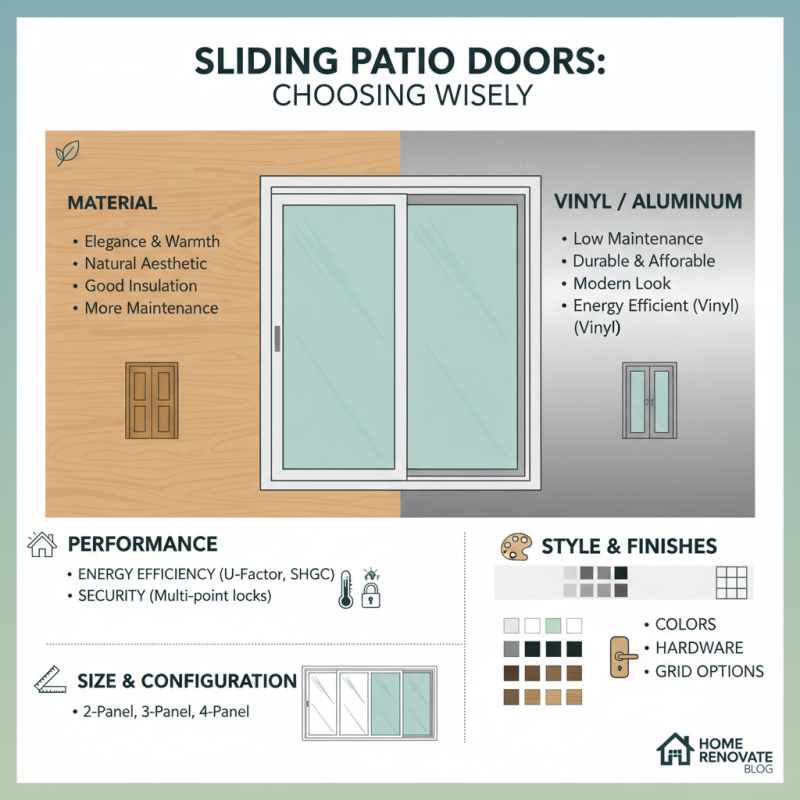
Choosing the right sliding patio doors involves several important factors. One should start with the material. Common options include vinyl, wood, and aluminum. Each has its pros and cons. Vinyl is low maintenance but may not offer the same aesthetic appeal as wood. On the other hand, wooden doors need more upkeep but provide warmth and elegance.
Another critical factor is energy efficiency. According to the U.S. Department of Energy, nearly 30% of heating and cooling energy is lost through windows and doors. Look for doors with energy-efficient ratings and double or triple glazing to minimize heat loss. This can significantly reduce utility costs over time.
Consider the security features as well. Poorly designed doors can be a target for break-ins. Reports show that homes with sliding doors without proper locks are 2.7 times more likely to be burglarized. Good locks, sturdy frames, and shatter-resistant glass should be top priorities. Reflect on how well your choices enhance the safety and comfort of your home.
Types of Sliding Patio Doors and Their Benefits
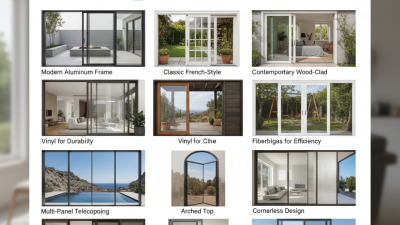
When choosing the right sliding patio doors, understanding the types available is crucial. There are several options, each offering distinct benefits. First, aluminum sliding doors are lightweight and durable. They resist rust and fading. This makes them ideal for coastal areas. On the downside, they may conduct heat, impacting energy efficiency.
Vinyl sliding doors present another option. They are energy-efficient and available in various colors. Vinyl does not require regular painting. However, they can warp over time in extreme temperatures. Consider how your local climate might affect durability when selecting.
Wood sliding doors add a classic aesthetic. They provide excellent insulation but need regular maintenance. They can swell or warp with moisture. Do you have time for upkeep? Steel doors offer security and strength but are often heavier. They may not slide as easily. Balancing aesthetics, maintenance, and functionality is key. Make a list of your priorities and reflect on what suits your home best.
Choosing the Best Sliding Patio Doors: Types and Benefits
This bar chart illustrates the popularity of different types of sliding patio doors based on market research. Vinyl doors are the most favored option, followed by aluminum, wood, and fiberglass. Each type comes with its own set of benefits, making it essential to consider these factors when choosing the best option for your home.
Materials Used in Sliding Patio Doors: Pros and Cons
When selecting sliding patio doors, material choice greatly affects functionality and aesthetics. Common options include vinyl, wood, fiberglass, and aluminum. Each material has its unique advantages and disadvantages.
Vinyl doors are energy-efficient and require minimal maintenance. They offer good insulation but may fade in sunlight.
Wood provides natural beauty and great insulation but can warp or rot over time.
Fiberglass is durable and resistant to warping, yet it can be more expensive and harder to find.
Aluminum, while lightweight and strong, may not provide the best thermal insulation, making it less energy-efficient.
Reflecting on these options is crucial. Consider the climate where you live. For humid environments, wood may need more upkeep. In contrast, vinyl can withstand moisture better but might not always complement traditional homes. Make sure your choice aligns with your long-term expectations and lifestyle. Balancing aesthetics and practical needs can be challenging but necessary to find the right fit for your space.
Energy Efficiency Ratings for Sliding Patio Doors
When selecting sliding patio doors, energy efficiency should be a primary focus. According to the U.S. Department of Energy, poorly insulated doors can lead to energy loss, accounting for up to 30% of a home's heating and cooling costs. Choosing doors with high energy efficiency ratings helps reduce these expenses.
Look for doors with low U-values. A lower U-value indicates better insulation. For example, doors with a U-value of 0.30 or lower are considered energy efficient. Additionally, consider products with double or triple glazing. These options can also improve thermal performance, keeping your home comfortable year-round.
Check the energy performance label. The National Fenestration Rating Council (NFRC) provides credible ratings for windows and doors. Products that meet ENERGY STAR guidelines can further ensure energy savings. However, it's essential to weigh factors like local climate and orientation when selecting the door. Not all high-rated doors are ideal for every home. Balancing efficiency with style can be challenging, requiring careful consideration.
Installation and Maintenance Tips for Sliding Patio Doors
When selecting sliding patio doors, installation and maintenance play a crucial role. Proper installation is vital. According to industry experts, a well-installed door can reduce air leaks by up to 30%. This means lower energy costs and more comfort. Ensure the frame is level and secure during installation. An uneven frame can lead to premature wear and tear.
Regular maintenance is essential for longevity. Keeping tracks clean is a simple task. Dirt can accumulate and impede operation. Industry reports suggest that about 75% of sliding door issues stem from dirty tracks or misalignment. Lubricate the rollers every six months to prevent rust. Look for signs of wear, such as difficulty sliding or odd noises. Addressing these issues swiftly can save money on repairs later.
Don't forget about weatherstripping, too. It wears out over time. Replacing it can improve energy efficiency. A survey found that 60% of homeowners overlook this simple upgrade. They often face higher utility bills as a result. Regular checks and minor adjustments can ensure smooth operation and enhance the lifespan of your doors.
How to Choose the Best Sliding Patio Doors for Your Home? - Installation and Maintenance Tips for Sliding Patio Doors
| Aspect |
Details |
| Material |
Vinyl, Aluminum, Wood, Fiberglass |
| Style |
Traditional, Contemporary, Customizable Designs |
| Energy Efficiency |
Low-E glass, Double/triple glazing options |
| Security Features |
Multi-point locking systems, Intruder-resistant glass |
| Installation Type |
Flush mount, Standard mount |
| Maintenance Tips |
Regular cleaning, Lubricate tracks, Inspect seals |
| Average Cost |
$800 - $2500 depending on materials and sizes |
| Warranty |
5 to 10 years for frames, Limited lifetime for glass |