How to Choose Board and Batten Vinyl Siding for Your Home?
Choosing the right exterior siding is crucial for homeowners. Board and batten vinyl siding has gained popularity for its blend of aesthetics and durability. According to a 2021 National Association of Realtors report, vinyl siding accounts for approximately 28% of exterior wall coverings in American homes. This statistic highlights vinyl's widespread appeal among builders and homeowners alike.
Vinyl siding is known for its cost-effectiveness and low maintenance. A survey conducted by Remodeling Magazine revealed that vinyl siding installation has an average return on investment (ROI) of 75.6%. However, choosing the right style, color, and quality requires deeper insights. Factors like climate, local trends, and personal preference influence decisions significantly. Many homeowners find themselves overwhelmed by options and often overlook crucial details.
It's essential to weigh the pros and cons while selecting board and batten vinyl siding. Some may find the setup process challenging, leading to potential installation errors. Research and understanding play a key role in avoiding costly mistakes. Consulting with experts or utilizing reputable guides can enhance the decision-making process and ensure a successful siding choice.
Understanding Board and Batten Vinyl Siding: Key Features and Benefits
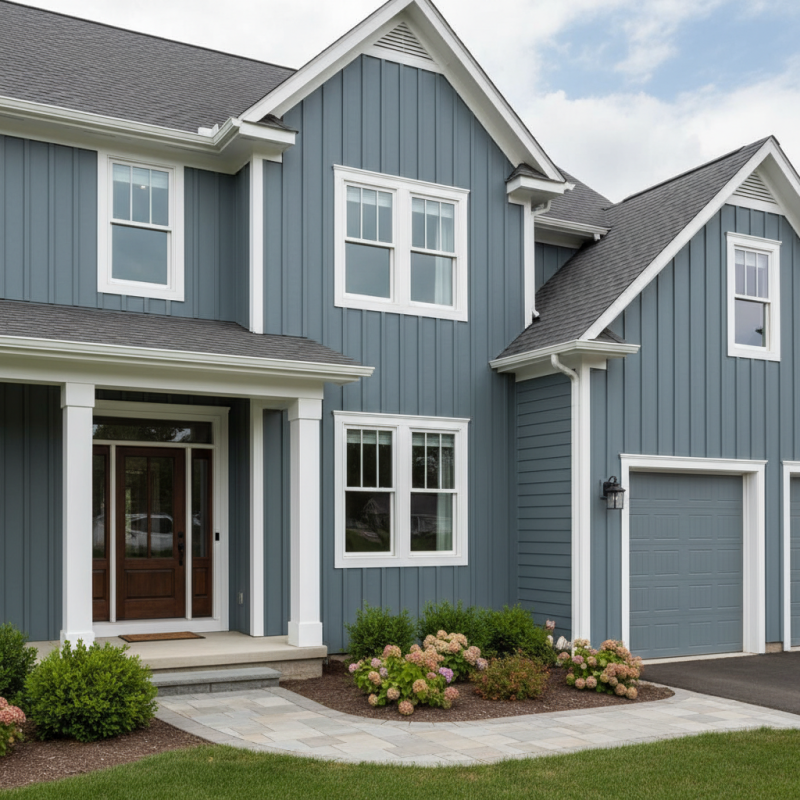
Board and batten vinyl siding is a timeless choice for homeowners. Its design mimics the traditional wood style while providing modern benefits. The vertical panels create a charming look, which enhances the curb appeal of any home. This style works well for various architectural designs, from rustic to contemporary.
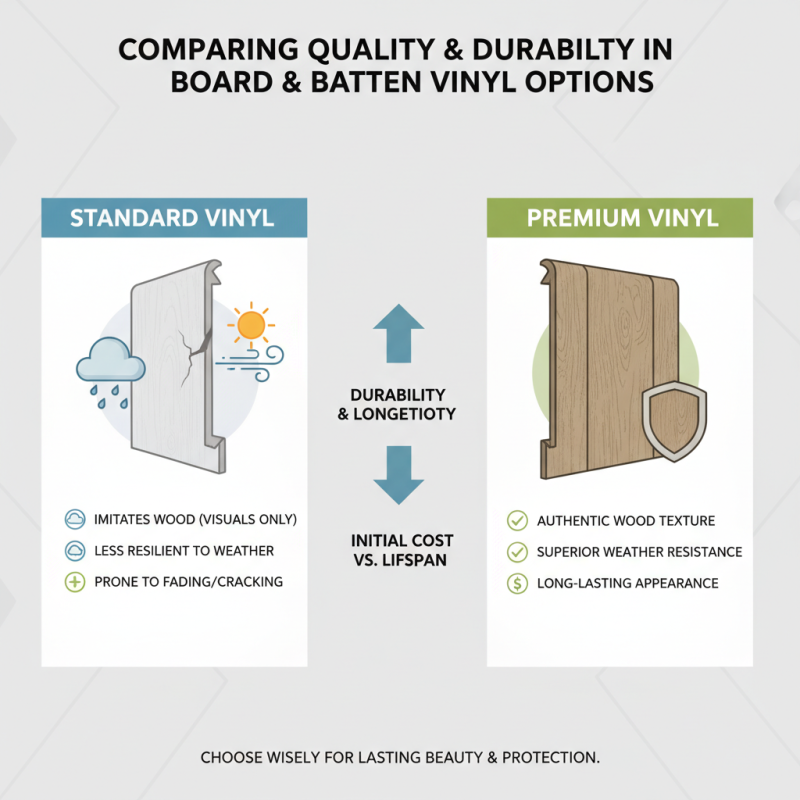
One of the key features of board and batten vinyl siding is its durability. Unlike wood, vinyl doesn't warp, rot, or attract insects. This siding is also low-maintenance, requiring only occasional cleaning with soap and water. Many homeowners appreciate this long-lasting solution, but it’s important to choose high-quality materials. Not all vinyl siding is created equal. Some may fade quickly under harsh sunlight, which can impact its appeal over time.
Another benefit is energy efficiency. Good-quality siding can help regulate the temperature inside a home. This can lead to lower energy bills, which is a significant advantage. However, not everyone considers the insulation factor. Homeowners might realize too late that installation quality matters just as much as the material itself. Paying attention to installation can prevent future issues and ensure the siding performs well over the years.
Assessing Your Home's Style: Choosing the Right Aesthetic
When choosing board and batten vinyl siding, it’s essential to consider your home's style. Is it traditional, modern, or rustic? Each aesthetic calls for different design elements. Board and batten siding can add character to various home styles. So, selecting the right version is crucial.
Look closely at your home’s existing features. Are there architectural details to highlight? Think about colors and textures. A farmhouse may benefit from softer, natural tones. Meanwhile, a modern home might shine with bold, contrasting shades. Explore different finishes too. Some profiles offer a smooth look, while others emphasize wood-like textures.
Don't forget to consider your neighborhood. What styles are prevalent? While your home should be unique, it should also fit in. You want to enhance your home’s appeal, not disrupt the aesthetic balance. Reflect on this process. Can you identify what truly resonates with you? A thoughtful approach can make a big difference.
How to Choose Board and Batten Vinyl Siding for Your Home? - Assessing Your Home's Style: Choosing the Right Aesthetic
| Home Style |
Recommended Board and Batten Style |
Color Options |
Texture Options |
Maintenance Level |
| Modern |
Vertical Vinyl Boards |
Cool Gray, Navy Blue |
Smooth |
Low Maintenance |
| Traditional |
Classic Board and Batten |
Warm Beige, Forest Green |
Textured |
Moderate Maintenance |
| Rustic |
Reclaimed Wood Look |
Earthy Brown, Charcoal |
Rough |
Medium Maintenance |
| Coastal |
Light Board and Batten |
Seafoam Green, Soft White |
Smooth |
Low Maintenance |
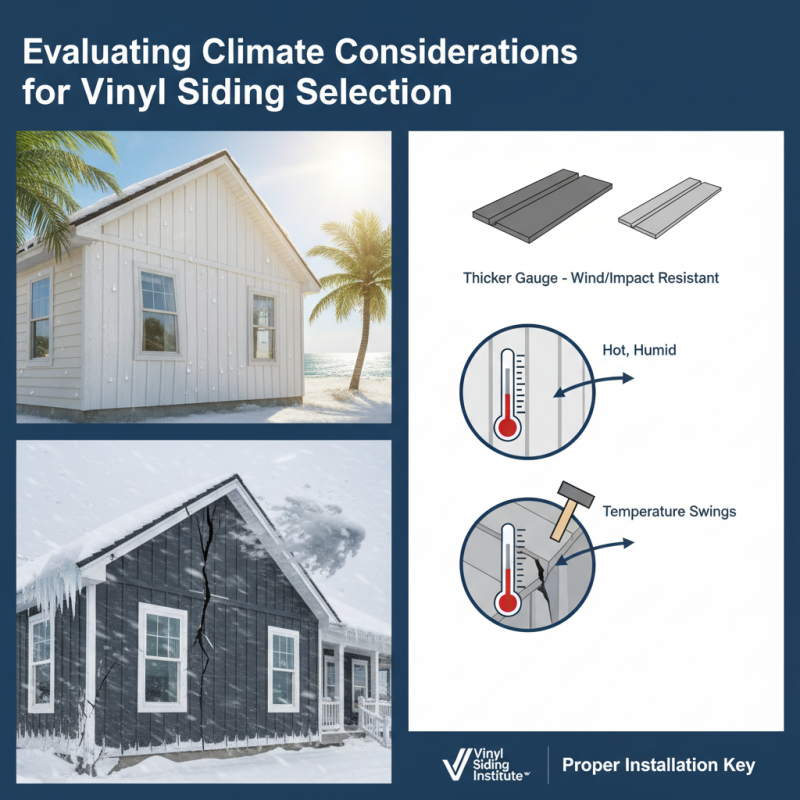
Evaluating Climate Considerations for Vinyl Siding Selection
When selecting board and batten vinyl siding, climate plays an essential role. Hot, humid areas can affect the durability and appearance of siding. According to the Vinyl Siding Institute, improper installation can lead to warping in areas with significant temperature changes. A vinyl siding's thickness can also impact its performance under varying weather conditions. For instance, thicker boards offer greater resistance to wind and impact.
Consider the local climate when picking colors and styles as well. Darker colors absorb heat, which can be a disadvantage in hotter climates. A study from the National Association of Home Builders indicates that lighter colors can reflect sunlight, reducing energy costs by approximately 10-15%.
Tips:
- Always check your local climate trends before making a decision.
- Consult with local siding experts who understand regional weather patterns.
- Consider proper installation to avoid long-term issues.
Choosing the right siding involves evaluating these climate factors thoughtfully.
Cost Analysis: Budgeting for Board and Batten Vinyl Siding Installation
When considering board and batten vinyl siding for your home, cost is a crucial factor. Installation expenses can vary widely based on local labor rates and the size of your home. On average, homeowners might expect to invest between $7 and $12 per square foot for materials and installation. However, this range can shift significantly based on your choices.
Before moving forward, it’s essential to outline a realistic budget. Start by measuring the exterior square footage of your home. This gives you a clearer picture of material requirements. Don’t forget to include additional costs like removal of old siding, insulation upgrades, or permit fees. Often overlooked, these factors can add hundreds or thousands to your total.
It's also wise to account for long-term maintenance costs. Vinyl is prized for its low upkeep, but issues, such as color fading, may arise. Research local contractors' reviews and previous work to ensure quality installation and service. Keep in mind the balance between quality and cost. Sometimes, higher initial investment leads to better longevity and less hassle. Investing time in this research pays off in the long run.
Cost Analysis of Board and Batten Vinyl Siding Installation