How to Choose the Best Double Sliding Door for Your Home?
Choosing the right double sliding door for your home is crucial. It affects both aesthetics and functionality. According to Mark Anderson, a renowned expert in home design, "A well-chosen double sliding door can transform your space." His insight sheds light on the impact of this choice.
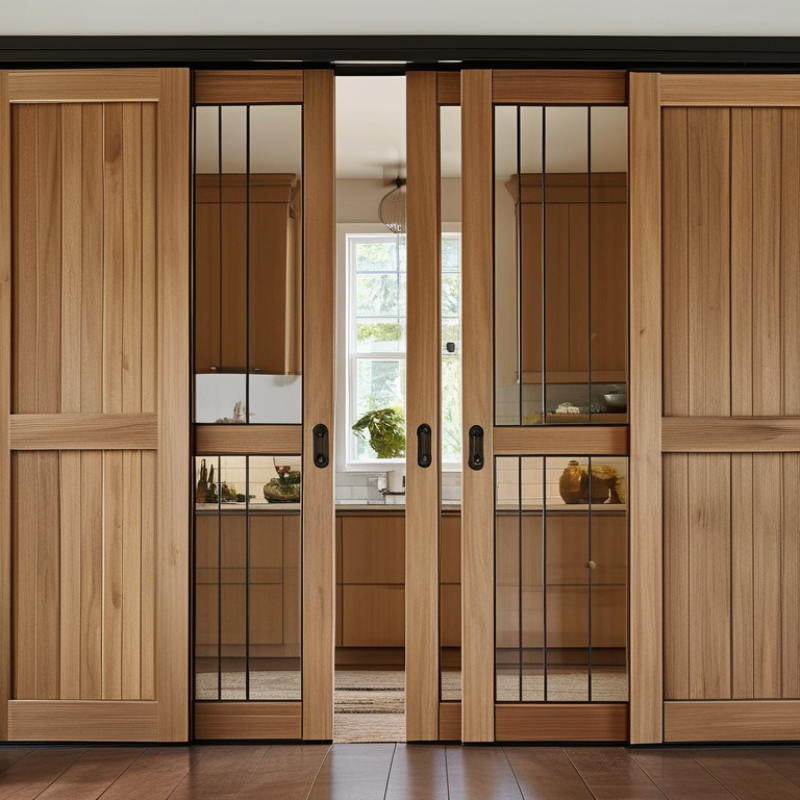
When selecting a double sliding door, consider your space’s layout and flow. Oversized doors can open up a room dramatically, while smaller options might suit cozy spaces. Pay attention to materials; wood offers warmth, while aluminum provides modern appeal. Each choice comes with its pros and cons, and it’s essential to weigh them.
Homeowners often overlook energy efficiency. Some double sliding doors don’t seal properly, leading to drafts. This can increase energy bills. Researching the ratings and reviews can help avoid this pitfall. Remember, a door is not just a barrier; it shapes your home's character. Choose wisely.
Factors to Consider When Selecting Double Sliding Doors
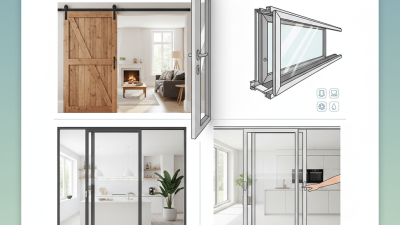
When selecting double sliding doors, several crucial factors come into play. The material is a primary consideration. Common options include wood, vinyl, and aluminum. Each has distinct advantages and drawbacks. For instance, wood offers warmth and aesthetic appeal but may require regular maintenance. On the other hand, aluminum is durable and low-maintenance but may not provide the same insulation as wood.
Another important aspect is energy efficiency. According to the U.S. Department of Energy, well-insulated sliding doors can significantly reduce heating and cooling costs. Look for doors with a low U-factor and low solar heat gain coefficient. These specifications indicate superior energy performance. Many homeowners overlook the efficiency rating, which can lead to higher utility bills over time.
Consider the size and layout of your space as well. Measure the area available for installation carefully. Ensure that the doors can slide freely without obstruction. Poorly measured doors can lead to installation failures or compromise space functionality. Choosing the right hardware is also vital for ensuring ease of use and longevity. Materials that resist corrosion are ideal for areas with high humidity.
Reflect on your lifestyle as well. If you have pets or children, durability becomes essential. Selecting reinforced glass can enhance safety and resilience. Always compare options and seek professional advice when necessary. This can help mitigate costly mistakes.
How to Choose the Best Double Sliding Door for Your Home? - Factors to Consider When Selecting Double Sliding Doors
| Feature |
Description |
Considerations |
| Material |
Common materials include wood, vinyl, aluminum, and fiberglass. |
Choose based on durability, maintenance, and aesthetic appeal. |
| Energy Efficiency |
Look for doors with low U-values and Energy Star ratings. |
Consider potential energy savings in heating and cooling costs. |
| Security Features |
Options include multi-point locking systems and tempered glass. |
Assess your home's security needs and neighborhood safety. |
| Style and Aesthetics |
Select a design that complements your home’s architecture. |
Consider color, finish, and the overall look. |
| Size and Configuration |
Measure the opening width and height for fit. |
Account for space needed for the sliding mechanism. |
| Cost |
Prices vary based on materials, size, and features. |
Set a budget and balance cost with quality and features. |
Material Options for Double Sliding Doors: Pros and Cons
When choosing double sliding doors, material plays a crucial role. Wood is a popular option, providing warmth and beauty. It can complement many home styles. However, wood requires regular maintenance. Weather can cause warping or cracking. If not cared for properly, its lifespan shortens significantly.
On the other hand, aluminum doors offer a sleek, modern look. They are known for their durability and resistance to weather conditions. Unlike wood, aluminum doesn't require frequent upkeep. However, it may lack the character that many homeowners desire. Additionally, metal can be prone to scratches or dents, leading to potential aesthetic issues.
Vinyl is another choice, offering energy efficiency at a reasonable price. It resists moisture well, making it ideal for humid climates. Vinyl doors also come in various colors. Yet, their appearance may not match every style. Homeowners should weigh these factors carefully. Each material has its pros and cons, influencing your decision for a perfect fit in your space.
Understanding the Aesthetic and Functional Impact of Design
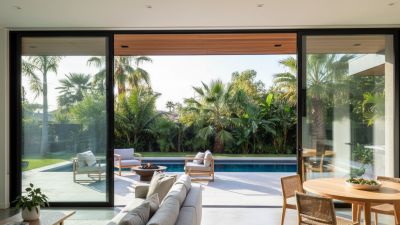
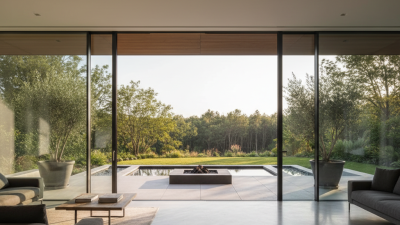
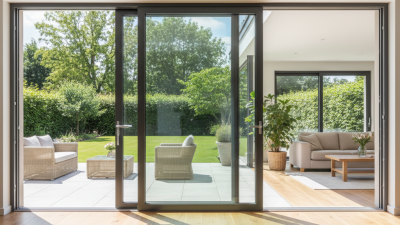
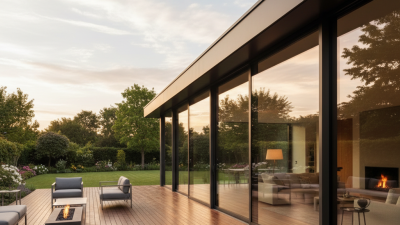
Choosing the right double sliding door can significantly enhance your home's aesthetic and functional qualities. The design you select will influence natural light, space utilization, and overall ambiance. A clear glass option can create an open feeling, connecting the indoor and outdoor spaces seamlessly. Depending on your decor, you may prefer a wooden frame for a classic touch or a sleek aluminum version for a modern vibe.
Functionality is equally important. Evaluate the door's ease of use, especially if you anticipate frequent access. Consider the noise level when opening and closing. Some doors glide smoothly, while others may require more effort. Keep in mind that the choice of materials can impact durability. Ensure your selection aligns with lifestyle needs, such as energy efficiency and maintenance requirements. Reflect on these aspects carefully. The right door can be transformative, but an impulsive choice might lead to dissatisfaction later.
Energy Efficiency Ratings and Their Importance in Sliding Doors
When selecting double sliding doors for your home, energy efficiency ratings play a crucial role. Doors with higher energy ratings can significantly reduce heating and cooling costs. Look for doors labeled with Energy Star certifications. These doors meet strict energy performance standards, helping you save on energy bills.
Understanding U-values and Solar Heat Gain Coefficient (SHGC) can enhance your decision. U-value measures thermal performance; lower values mean better insulation. SHGC indicates how much heat from the sun the door allows in. A balance between low U-values and appropriate SHGC ensures optimal comfort year-round.
Many homeowners overlook these ratings, focusing instead on aesthetics. While style is important, performance must not be sidelined. Drafty doors can lead to uncomfortable temperatures and higher energy bills. Regularly assessing the energy efficiency of your sliding doors can lead to better home comfort and significant savings.
Energy Efficiency Ratings of Double Sliding Doors
This chart illustrates the energy efficiency ratings of double sliding doors based on three important dimensions: U-Factor, Solar Heat Gain Coefficient, and Visible Transmittance. These factors are crucial in determining how well the doors insulate heat, manage solar energy, and allow light to pass through, all of which impact overall energy efficiency in homes.
Installation and Maintenance Tips for Double Sliding Doors
When installing double sliding doors, proper planning is key. Measure your space accurately to ensure a good fit. Consider the height and width of the opening. It’s crucial to check for any obstructions like light fixtures or protruding walls. The frame needs to be level. An uneven frame can cause the doors to stick or not close properly. A level surface is also essential for the track installation.
Maintenance of double sliding doors is often overlooked. Regular cleaning of the tracks can prevent dirt buildup. This helps the doors slide smoothly. Inspect the rollers regularly. Worn-out rollers can lead to misalignment and damage. Lubricating the tracks with a silicone-based product can improve performance. However, too much lubricant can attract dust, leading to more dirt. Keep an eye on the seals as well. Damaged seals can lead to drafts and energy loss. Small repairs can save you from bigger costs down the line.