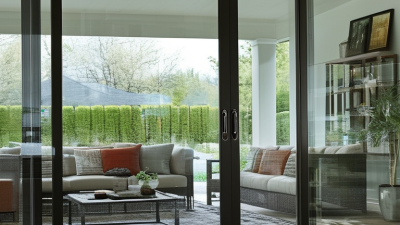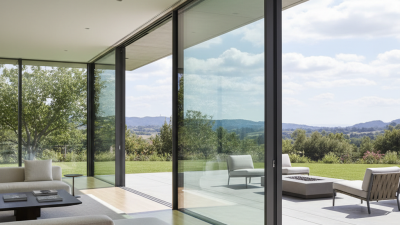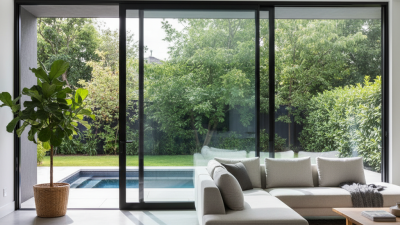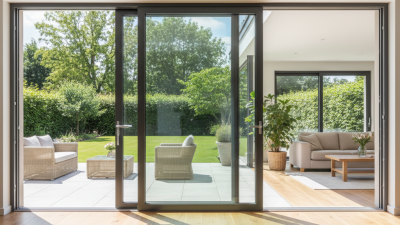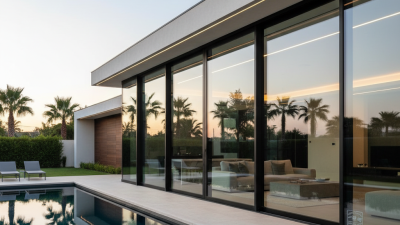

Choosing among the top 10 sliding glass patio doors for global buyers requires more than comparing panel size or showroom appearance. A bright coastal villa, a cold mountain home, and a compact urban apartment demand different solutions. Buyers must examine thermal performance, drainage, glass safety, frame strength, hardware quality, and installation support. A door that glides beautifully in a showroom may become difficult after dust, salt air, or seasonal movement.
Building-science writer and fenestration specialist Martin Holladay offers a useful reminder: “A door must control air, water, and heat before it frames a view.” This principle keeps the discussion practical. The best sliding glass patio doors should create a wide visual opening while limiting drafts, rain penetration, condensation, and unwanted solar gain. Look closely at the interlocking meeting stile, weather seals, rollers, sill design, and available glazing options. Small parts matter.
Global buyers also face less visible concerns. Replacement components may be difficult to source overseas. Local installers may misunderstand tolerances or drainage requirements. Warranty terms can sound generous but remain weak across borders. Energy labels are not always directly comparable between regions, either. This guide compares leading designs through a real-world lens, not a perfect one. Some doors offer exceptional views but need careful maintenance. Others feel less luxurious yet deliver dependable performance. The right choice depends on climate, opening size, budget, and installation skill. Beauty helps, but it cannot correct a poorly prepared opening.
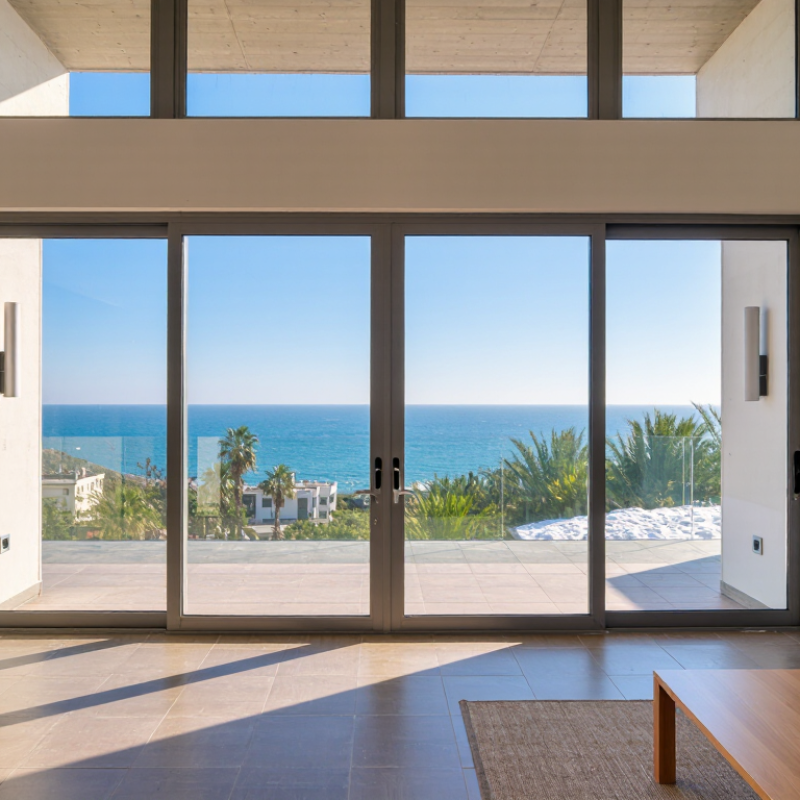
Top 10 Sliding Glass Patio Doors for Global Buyers
Types of Sliding Glass Patio Doors and Their Global Applications
Sliding glass patio doors now serve apartments, villas, hotels, and coastal housing. The main types include framed aluminum, uPVC, timber, thermally broken, frameless, lift-and-slide, multi-panel, pocket, corner, and impact-rated systems. Each design fits a different climate and building method. Lift-and-slide doors suit wide openings in luxury homes and hospitality projects. Pocket doors disappear into walls, saving space in compact urban apartments. Impact-rated systems are more suitable for hurricane-prone coastal regions, but they require verified testing.
Materials change by market. Aluminum offers slim sightlines and strong resistance in humid climates. uPVC improves insulation in colder regions and often needs less maintenance. Timber provides warmth, yet moisture control becomes critical. The U.S. Department of Energy reports that windows can represent 25–30% of residential heating and cooling energy use. Patio doors are part of that envelope. Low-emissivity glass, insulated frames, and accurate installation can reduce unwanted heat transfer. Small gaps matter.
Global buyers should check wind loads, solar exposure, drainage, accessibility, and replacement parts. UNEP’s 2023 Global Status Report states that buildings and construction consumed about 34% of global energy in 2022. Energy performance is not optional anymore. Still, a high-specification door can fail with poor installation. I have seen beautiful systems underperform because installers ignored sill drainage. The specification may be perfect. The site may not be. Temperature, salt air, local skills, and maintenance budgets deserve equal attention.
Top 10 Sliding Glass Patio Doors for Global Buyers
When comparing the top ten patio door models, start with glass performance, not appearance. Double or triple glazing can reduce heat transfer and outside noise. Low-emissivity coatings help control indoor temperatures in both hot and cold regions. Check the U-value and solar heat gain coefficient for your climate. A beautiful door may still perform poorly in direct afternoon sun.
Frame material also matters. Thermally broken aluminum offers strength, while reinforced vinyl can provide lower maintenance. Inspect the rollers, track, drainage holes, and locking points closely. Smooth movement should feel controlled, not loose. Multi-point locks improve security, but installation quality remains critical. I have seen expensive doors fail because the frame was fitted slightly out of square. That detail is easy to underestimate.
Tips: Measure the opening at several points. Ask for tested air, water, and wind ratings. Confirm replacement parts, warranty coverage, and local service availability. Consider handle height and threshold access for daily comfort. A low threshold looks convenient, but it may require better drainage design. Compare certified performance documents, not only showroom claims. A small sample of real weather exposure can reveal issues that brochures miss.
Comparison of common nominal opening widths used in residential sliding patio door systems. Panel counts and glazing layers are included as practical buying references.
Larger configurations generally provide wider unobstructed views but require stronger framing, more precise installation, and higher transport capacity. Actual dimensions, glass specifications, thermal performance, and local building-code compliance should be confirmed with the supplier.
Choosing among the top 10 sliding glass patio doors requires more than comparing frame colors. Energy performance should guide the decision. Look for low-emissivity glass, insulated frames, and a documented U-value suitable for the local climate. A lower U-value usually means slower heat transfer. Solar heat gain also matters in hot regions, while moderate gain may help homes in colder areas.
Glass selection changes comfort, safety, and noise control. Double glazing suits many homes, but triple glazing can perform better in severe winters. Laminated glass can reduce outside noise and hold together after impact. Tempered glass offers improved breakage safety. Ask for tested air leakage, water penetration, and wind-load data. Marketing language alone is weak evidence.
Weather performance depends on details people often overlook. A deep sill, reliable drainage, compression seals, and corrosion-resistant rollers can matter as much as the glass. Coastal buyers should check resistance to salt air. Homes facing heavy rain need careful installation and sill flashing. A perfect specification can still fail through poor fitting. No door is perfect. Bigger glass areas may increase daylight, but they can also raise cooling loads and cleaning work. I would compare certified test results, warranty terms, replacement parts, and local installer experience before choosing. Local building requirements differ, so professional verification remains sensible.
Security, durability, and installation quality should guide any top-ten sliding door comparison. ASTM F842 evaluates sliding glass doors for operating force, impact resistance, and structural performance. European buyers may also review EN 1627 resistance classifications. These standards do not make a door invincible. They provide measurable evidence.
The U.S. Department of Energy reports that windows and doors can contribute 25% to 30% of residential heating and cooling energy use. Low-emissivity glass, insulated frames, and properly sealed meeting rails can reduce unwanted heat transfer. Small details matter. Check the declared U-value, solar heat gain coefficient, and air-leakage rating for the target climate. A cool coastal region needs different glass from a hot, sunny inland area.
Durability depends on drainage, rollers, hardware, and frame materials. Testing under AAMA/WDMA/CSA 101/I.S.2/A440 can indicate resistance to air, water, and structural pressure. However, laboratory results cannot correct poor installation. The sill must sit level, the opening must be square, and flashing must direct water outward. I would not trust a premium door on a twisted threshold. No door is maintenance-free. Clean tracks regularly, inspect seals twice yearly, and replace damaged rollers early. Installation guidance should include local wind loads, wall construction, accessibility needs, and qualified service support. Some product decisions remain uncertain without a site inspection. That is where many attractive specifications fail.
Choosing a sliding patio door for an international project requires more than comparing photographs. Climate, wall structure, and local building standards can change the right specification. In coastal areas, corrosion-resistant hardware matters. In cold regions, low-emissivity glazing and reliable seals reduce heat loss. Hot climates may need solar-control glass to limit indoor heat.
Measure the opening carefully, including the floor level and drainage path. A door that looks elegant can still leak if installation is rushed. Frame strength also affects long-term movement, especially in buildings exposed to wind. Ask for tested performance data, warranty terms, spare-part access, and installation guidance. These details reveal whether a supplier supports the product after delivery. I have found that attractive designs sometimes hide difficult maintenance. That is worth questioning.
Tips: Check air, water, and wind ratings before ordering. Confirm glass safety requirements for the destination country. Request physical samples when color and texture matter. Keep space for adjustment and cleaning. A local installer’s experience can prevent expensive mistakes. Allow a small tolerance in measurements, but never guess the final opening size.