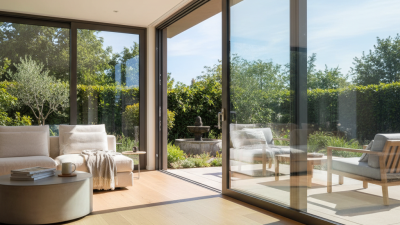
What is a sliding door and how does it work?
In the realm of modern architecture and interior design, the sliding door stands out as a functional and aesthetic solution. According to a report by the American Institute of Architects, sliding doors can enhance natural light and save space, making them increasingly popular in urban environments. Moreover, research indicates that homes with sliding doors can sell for 10% more than those without, showcasing their value.
Sliding doors operate on a simple mechanism that allows for smooth movement. This design is not only space-efficient but also provides versatility, enabling seamless transitions between indoor and outdoor areas. However, these doors may require regular maintenance to ensure their tracks remain unobstructed. Some homeowners overlook this, leading to functionality issues over time.
Embracing the sliding door trend can transform living spaces, but it also demands careful consideration. Choosing the right material and style is crucial. Glass sliding doors can bring elegance, yet they may raise privacy concerns. Assessing these elements will ensure that the choice aligns with personal preferences and practical needs.
What is a Sliding Door?
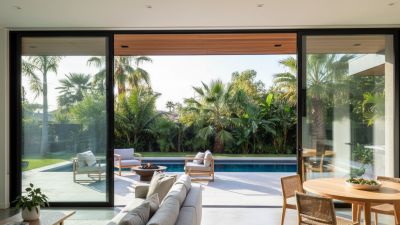
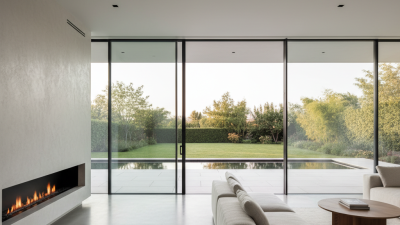
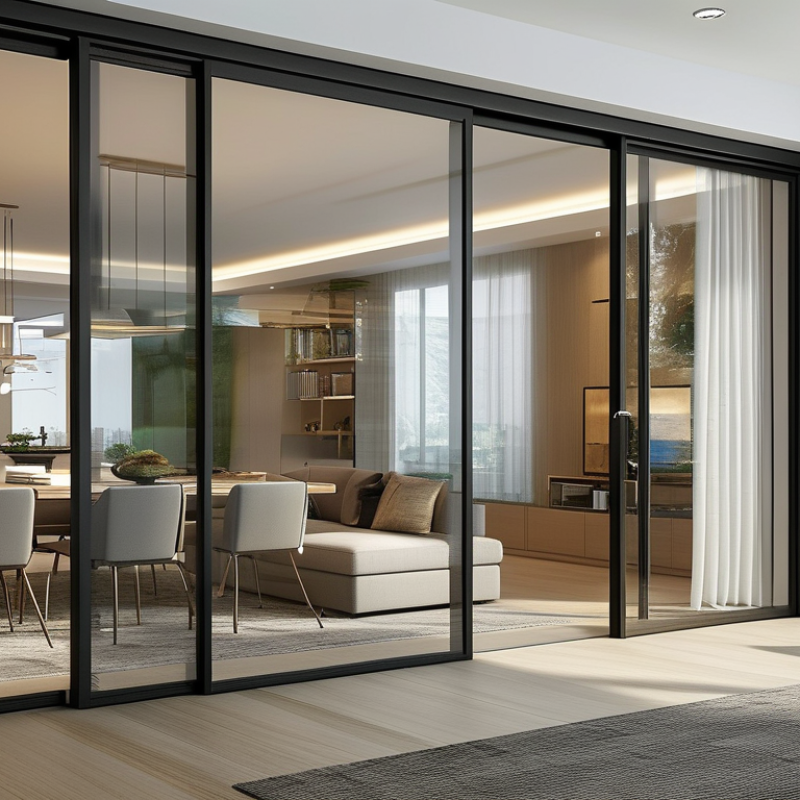
Sliding doors are a popular architectural feature in many homes and buildings. They consist of large glass panels that move horizontally along a track. This design allows for easy access from one space to another, making them ideal for patios or gardens. Their simplicity and elegance can enhance the flow of natural light into a room. However, their installation might require specific conditions, such as adequate wall space and structural support.
These doors operate using a clever mechanism. They slide open and closed on rollers, which minimize the effort needed to operate them. This can sometimes lead to issues, such as dirt and debris accumulation in the track, making them hard to open. Homeowners should regularly maintain them to ensure smooth operation.
While sliding doors are beautiful, they also raise some safety concerns. They may not provide as much insulation as traditional doors, which can affect energy efficiency. Additionally, the large glass panels can be a hazard, especially in homes with pets or young children. Analyzing the pros and cons is vital before deciding whether they are the right fit for your space.
What is a sliding door and how does it work?
| Feature |
Description |
| Definition |
A sliding door is a type of door that opens by sliding along a track instead of swinging on hinges. |
| Mechanism |
Typically operates on a track system with rollers that secure stability and enable smooth opening and closing. |
| Materials |
Commonly made from glass, wood, or metal, offering varying levels of transparency and privacy. |
| Types |
Includes bi-fold, pocket, and traditional sliding doors, each serving different design and space needs. |
| Applications |
Used in residential, commercial, and industrial settings for accessibility, space-saving, and aesthetic purposes. |
| Benefits |
Maximizes space, enhances natural light, and offers seamless transitions between indoor and outdoor areas. |
| Common Issues |
Problems may include tracking misalignment, dirt accumulation in the track, and roller wear requiring maintenance. |
Types of Sliding Doors
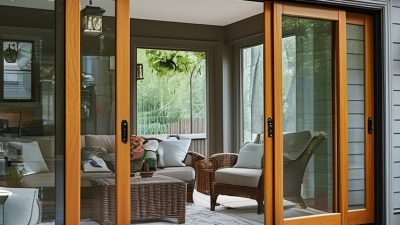
Sliding doors come in various types, each designed for specific purposes and spaces. One common type is the patio sliding door, often used for easy access to outdoor areas. These doors are typically large and made of glass, allowing natural light to flow into your home. They work on a track system, enabling smooth opening and closing. While they enhance aesthetics, issues can arise if the track becomes dirty or misaligned. Regular maintenance is key.
Another popular option is the pocket sliding door. This door disappears into the wall when opened, saving space in smaller rooms. It's a fantastic choice for places where traditional doors would be too cumbersome. However, installation can be complex, and if not done correctly, it may lead to problems with the mechanism over time. Attention to detail during installation is crucial to ensure functionality.
By considering the different types of sliding doors, you can choose one that fits your space and lifestyle. Whether for a living room or a compact bathroom, the right door can make a significant difference. Just remember, no door is perfect; each has its quirks and requires regular care.
Types of Sliding Doors and Their Popularity
Mechanisms Behind Sliding Door Operation
Sliding doors are a popular architectural element due to their efficient space-saving design. The mechanism behind a sliding door typically involves a track system. Rollers support the door as it moves horizontally along this track. This design minimizes the amount of space needed for operation. Reports indicate that properly installed sliding doors can save up to 40% more space compared to traditional hinged doors.
The key components include tracks, rollers, and sometimes a locking mechanism for security. Track systems can be made from aluminum or steel, enhancing durability and strength. Additionally, some sliding doors include weather seals, improving insulation and energy efficiency. According to industry surveys, around 60% of homeowners prefer sliding doors for their aesthetic appeal and functionality. However, issues like misalignment or dirt accumulation can impede smooth operation. Regular maintenance is essential, yet many overlook this aspect.
You may also consider the material of the door itself. Common options include wood, fiberglass, and glass. Each material has distinct benefits and drawbacks regarding durability and insulation. While glass sliding doors offer excellent natural light, they may require more frequent cleaning. It's crucial for homeowners to weigh these factors when choosing a sliding door, ensuring it meets their needs and preferences.
Benefits of Using Sliding Doors
Sliding doors have gained popularity in modern architecture due to their unique benefits. They offer seamless transitions between indoor and outdoor spaces. This feature is especially appealing in homes, as it creates a sense of openness. According to a report by the American Institute of Architects, homes with sliding doors can enhance natural light by up to 30%. This not only reduces reliance on artificial lighting but also improves overall well-being.
Another advantage of sliding doors is their space-saving design. Unlike traditional doors, they do not swing outward or inward, making them ideal for smaller rooms. This function can increase usable space in tight areas. A study from the National Association of Home Builders indicates that 45% of homeowners prefer sliding doors for their practicality and aesthetics. They blend well with different decor styles, adding a modern touch.
However, some concerns remain regarding maintenance and durability. Sliding mechanisms can wear over time, requiring regular upkeep. Homeowners should consider this when choosing materials and designs. Additionally, the energy efficiency of sliding doors can vary significantly. Selecting doors with good insulation is crucial to avoid excessive heating or cooling costs. Making informed decisions is essential for a long-term investment that balances aesthetics with functionality.
Installation and Maintenance Tips for Sliding Doors
When installing sliding doors, proper measurements are crucial. Begin by ensuring the door frame is level and straight. Even minor discrepancies can lead to misalignment. Confirm that the track system is securely installed. This foundation will determine how smoothly the door operates over time.
Regular maintenance is essential for longevity. Lubricate the track and rollers every few months to prevent sticking. Inspect seals for wear; damaged seals can lead to drafts and energy loss. Cleaning the track from dust and debris will improve performance, allowing for easy operation.
Be aware that over time, sliding doors may exhibit issues like sticking or uneven movement. This could be due to accumulated dirt or misalignment. Addressing these problems promptly can save costly repairs later. Slide doors are functional yet require consistent care to enhance their effectiveness and lifespan.